by Lucia Dore, co-founder of Learn Business English
Speaking Business English is essential in any industry. Knowing the jargon of the industry you are in, whether it’s marketing, retailing, or banking, for example, stands you in good stead.
What all these industries have in common is the need to speak English, whether in a business setting or not. English is the lingua franca of the business world. That is the common language, the bridging, or the trade language.
Approximately 1.46 billion people worldwide speak English, with about 380 million native speakers and over 1 billion second-language speakers. English is the most widely spoken language globally, with nearly 17 percent of the world’s population speaking it.
Understanding Business English will prepare students for the future and ensure they are well-equipped to navigate the dynamic market landscape, especially in a world where social media and artificial intelligence are so prevalent. Speaking Business English will ensure that everyone knows the jargon used in their own workplace, making speaking at a meeting, at a conference, or any other type of event, as well as networking, easier.
Learning about marketing will not only raise someone’s profile but give everyone the chance to control their own destiny.
What does marketing entail?
What is marketing? Marketing is the action or business of promoting and selling products or services, including market research and advertising.
Most businesses, whether in the service industry or in manufacturing or trading, are likely to have a marketing department, or at least someone who does the marketing, to ensure that the product reaches the consumer.. Marketing involves several different areas such as: market research; pricing; packaging; advertising; public relations; sales; distribution; after-sales service: and even a product guarantee.
When communicating with potential customers, you probably have to speak Business English. The marketing chapter on Learn Business English (www.learnbusinessenglish.net) will ensure people know that.
The marketing department is likely to have a salesperson who must know the difference between features and benefits and be able to explain the difference to prospective customers. For example, a feature is what your product can do. It is an action, function, or property of the product/service. A benefit is the outcome your customers get or the positive results of the feature.
Research suggests that although customers use features to compare products and services, the benefits help them choose which product to buy.
Armed with a complete knowledge of your product and/or services, you can inform and present the products’ or services’ benefits accurately and persuasively.
Trade fairs
Another area where marketing is important is to highlight a business’s attendance at trade fairs- whether held virtually or in person. In pre-COVID times, trade fairs would always be held in person. Now a business might be offered the opportunity to attend virtually.
Not only do you have to put the word out on social media, but your clients also have to be informed of your presence at the trade fair. That’s the job of marketing.
A salesperson must also appraise the situation. This means that the situation for the seller and purchaser must be assessed. As outlined earlier, these options are features and benefits.
A debrief, usually with a colleague, may also be necessary. The following should be considered:
- ∙€Why/why not was the conversation with a particular client successful?
- ∙€What should have been done differently?
- ∙€What did you learn from the conversation?
There’s also vocabulary anyone in marketing should know. Some of the words you might come across are: brand; banner; billboard; client base; copy; coupon; customer relationship marketing (CRM); digital marketing and viral marketing. For an explanation of each of these activities, go to www.learnbusinessenglish.net.
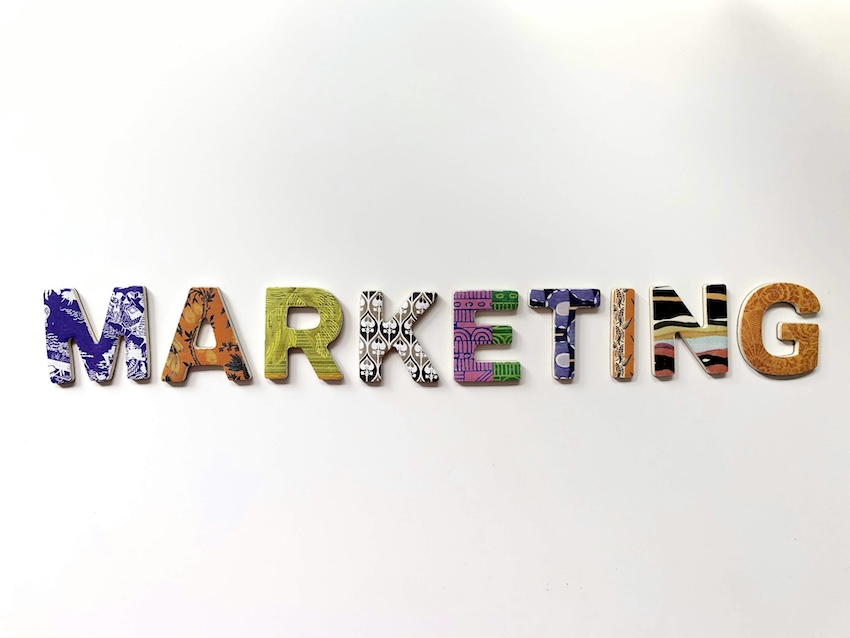
Photo by Merakist on Unsplash