
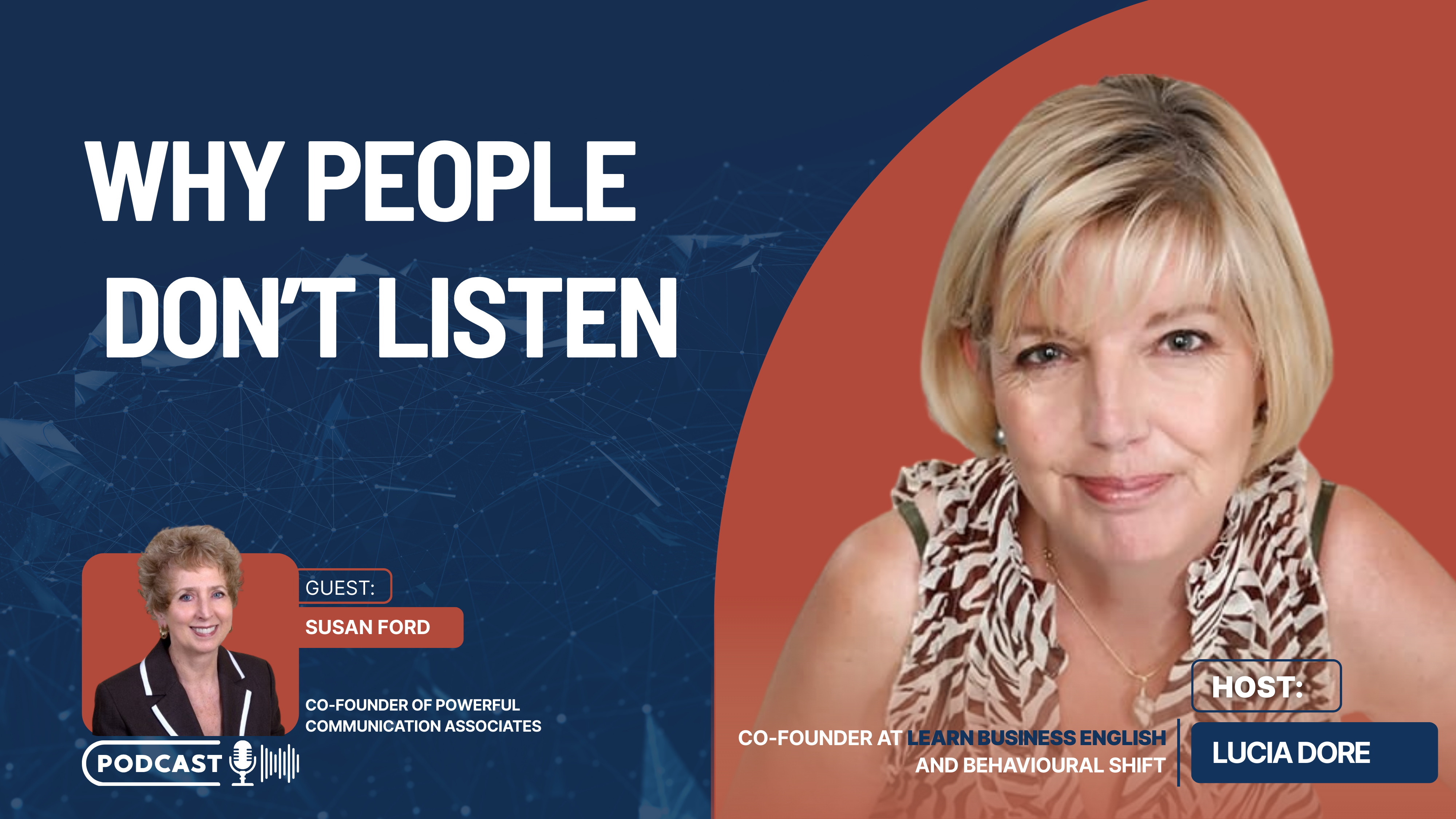
In today’s world of constant noise, messages, and multitasking, listening has become harder than ever. Many of us think we’re paying attention, but as Professor Susan Ford explains in our recent conversation, true listening is a deliberate skill. It requires focus, intention, and curiosity. This is why active listening in communication matters so deeply, not just in conversations, but in every aspect of our personal and professional lives.
👉 Watch the full discussion here:
Professor Susan Ford emphasises that real listening is not passive. It means tuning in to words, tone, feelings, and meaning. Good listeners avoid distractions, stay present, and show genuine interest in what the other person is saying.
Modern distractions, from social media to constant notifications, pull our attention away from real conversations. Our minds wander, we plan our replies too quickly, and we react rather than understand. This is why developing active listening in communication has never been more important.
How to Become a Better Listener
Professor Ford shares simple practices that anyone can use:
- Give full concentration
- Pause before responding
- Listen for emotion, not just words
- Remove distractions
- Ask thoughtful questions
These habits strengthen active listening in communication and help create deeper, more meaningful connections.
Listening is a skill—one that improves with practice. When we choose to listen fully, we communicate more clearly, reduce misunderstandings, and show respect to the people we speak with.
👉 Watch the full conversation with Professor Susan Ford here: